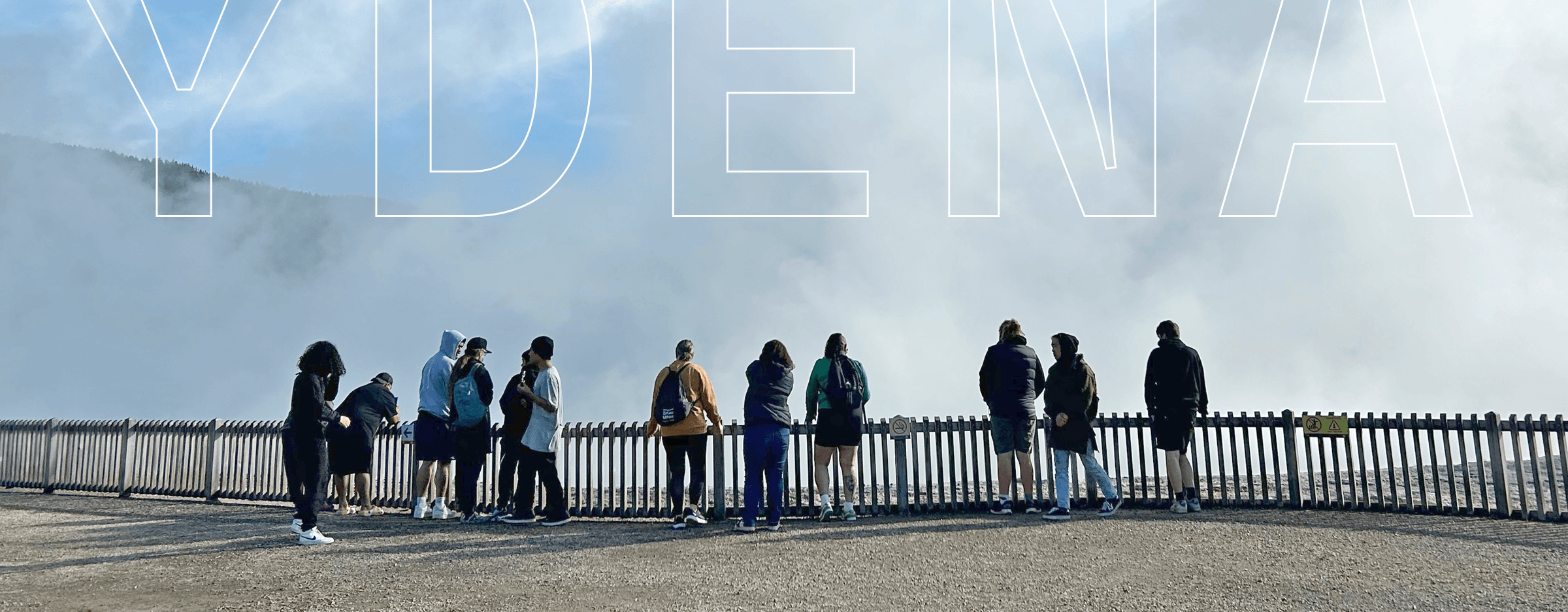
The Youth Development and Education Network Aotearoa (YDENA) is a network of researchers and research informed practitioners who work at the intersection of education and youth development.
WHY WE EXIST
Addressing developmental needs enables learning. Success in learning meets important developmental needs in children and young people. The YDENA group offers research based practical responses that address the growing issue of school disengagement.
OUR FOCUS
We are particularly focused on young people who are being marginalised from mainstream education, and those who experience barriers to learning.
YDENA includes researchers from AUT, University of Auckland, University of Canterbury, and research practitioners from a range of contexts including Māori and Pacific Youth Studies, Alternative Education, Trauma Informed Schools, Youth Justice, Neuroscience Education and Social Education.
WHAT WE DO
Through networking and collaboration we aim to:

Research
Gather local research into what’s working to re-engage students in education and make it available in one place.

Advocate
Advocate for evidence based policy that places the needs of disenfranchised young people at the centre of school based practice.

Educate & Support
Provide support and training for practitioners who are working to do school differently. Training provided online or face to face.
QUESTIONS WE ASK
WHO WE ARE
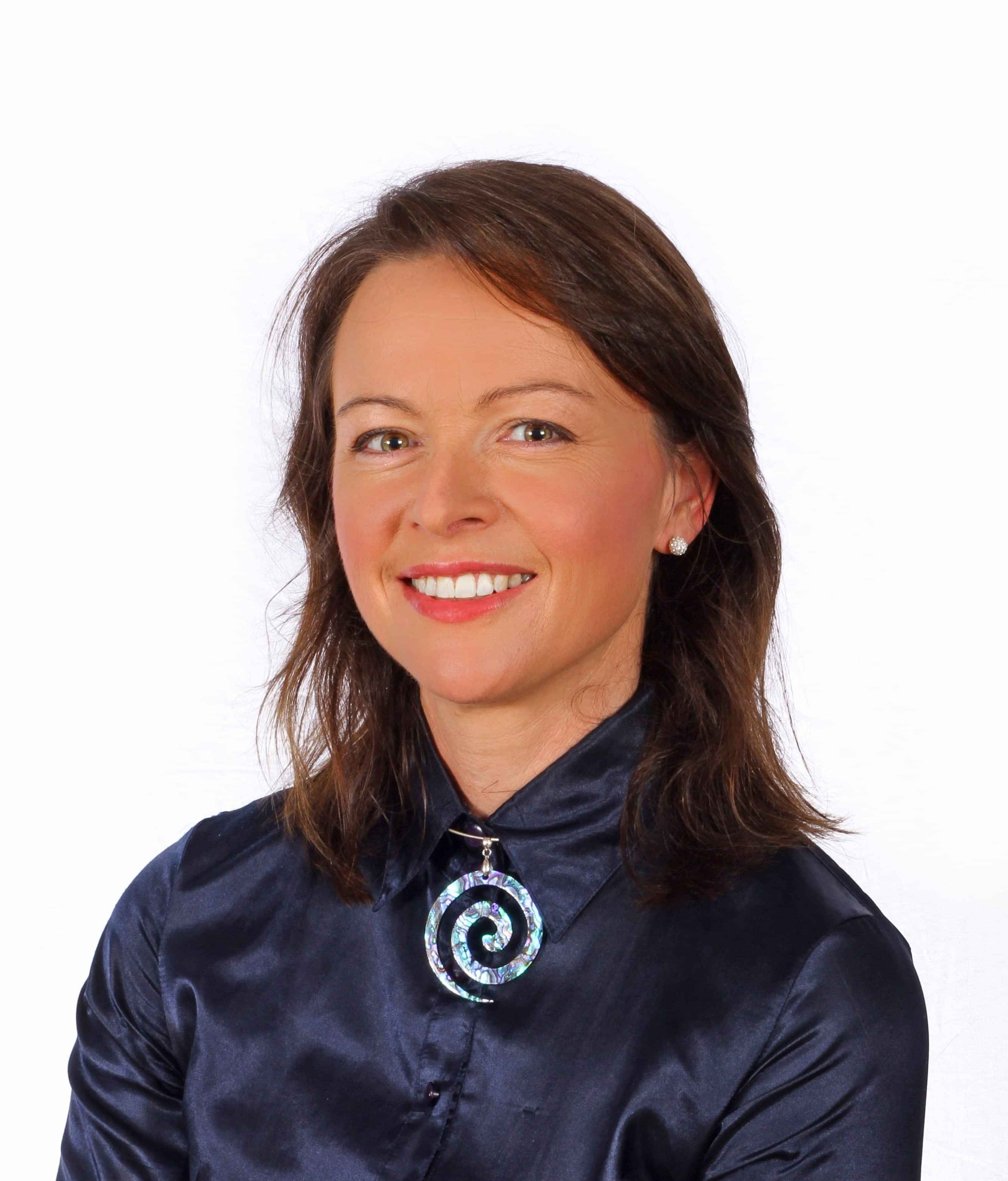
Kathryn Berkett
Kathryn Berkett is a neuroscience educator and has been delivering to audiences in Aotearoa and internationally for over twenty years. She works with organisations such as NZ Police, Oranga Tamariki, eductors and corporates, delivering the latest information on how trauma impacts the development of our brain body system, and more importantly, what we can do to prevent and/or heal. Kathryn also supports the assessment and development of interventions for young people who have experienced extreme trauma.
Publications:
• What’s Going on in There? Neuroscience of the Adolescent Brain (2025) Mary Egan Publishing
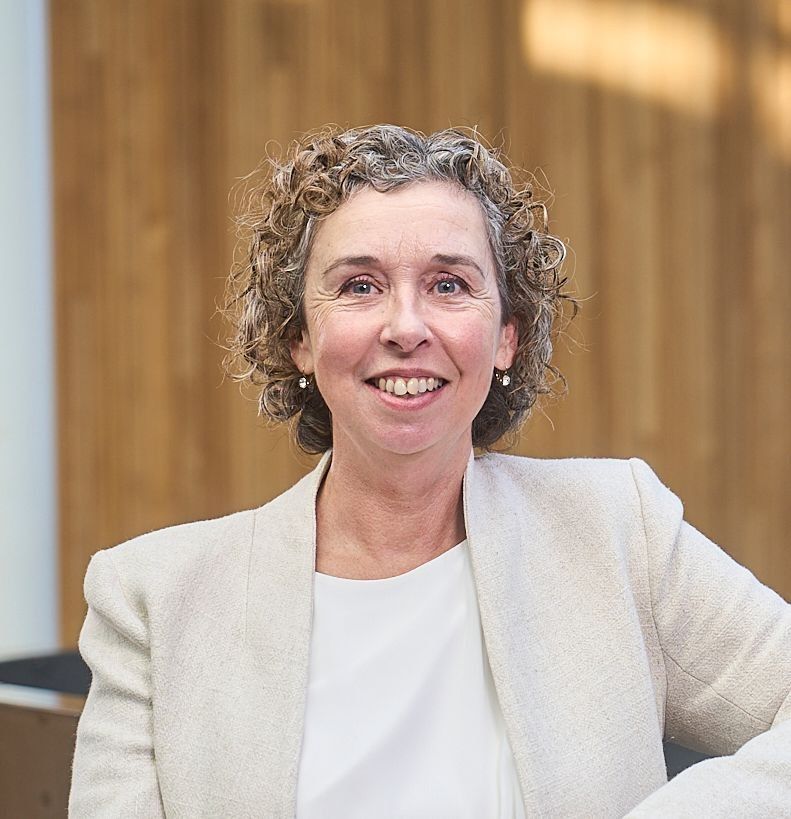
Dr. Judy Bruce
Dr. Judy Bruce has an extensive background in teaching, education, and youth work. Interested in social innovation approaches to fostering collective responses to complex issues, much of Judy's project work occurs at the intersections of education, community and youth development sectors.
Judy works at AUT as Senior Lecturer of Education in Te Kura Mātauranga, the School of Education where she is engaged in a range of education and community projects in areas of youth development, future focused and alternative education, social innovation and systems change.
Prior to AUT Judy worked in education consultancy with the Leadership Lab. This role included Ministry of Education Accredited Professional Development support for school leadership teams and teachers, systems change seminar series, and school design projects with Tārai Kura.
Relevant publications:
• Bruce, J. (2015). Alternative education provision in Christchurch: Alternative possibilities for policy and practice.
• Bruce, J. (2018). Dis/engagement in secondary schools: Toward truancy prevention. Christchurch, NZ.
• Bruce, J. (2020). Alternative education workforce development in Aotearoa: Lessons from related sectors. Auckland, New Zealand.
• Bruce, J. (2021). Alternative education and youth development in Aotearoa/New Zealand. Wayne Francis Charitable Trust. Retrieved from https://www.wfct.org.nz/aeandyouthdevelopmentinnz
• Bruce, J. (2021). Understanding the alternative education workforce in Aotearoa/New Zealand. Retrieved from https://terourou.one.nz/understanding-the-alternative-education-workforce/
• Bruce, J., & Martin, L. (2022). Combined activity centre/alternative education provision pilot research project: An initial report. Retrieved from https://praxis.org.nz/research
• Bruce, J., & Martin, L. (2023). Combined activity centre/alternative education pilot research project: Phase two report. Retrieved from https://praxis.org.nz/research
• Bruce, J., & Martin, L. (2023). Combined activity centre/alternative education pilot research project (Phase three report): Research: Weaving youth development and education: A three phase research project on the combined activity centre and alternative education pilot project in Porirua. Retrieved from https://praxis.org.nz/research
• Bruce, J., & McCormack, A. (2018). Young people and caregivers’ perspectives on truancy and non-enrolment. Christchurch, NZ: Te Ora Hou Otautahi. Retrieved from http://teorahou.org.nz/wp-content/uploads/2018/09/Bruce-and-McCormack-2018-Young-People-and-Caregivers-Perspectives-on-Truancy-and-Non-Enrolment.pdf
• Bruce, J., Clelland, T., Macfarlane, S., Mikaere-Wallis, N., Ruddenklau, K., Taula, J., & Taula, I. (2014). Positive youth development through education: Addressing issues of dis/engagement in Aotearoa/New Zealand schools. Christchurch: Te Ora Hou Aotearoa. https://www.toho.org.nz/pydte
• Bruce, J., Schoone, A., Turner-Adams, H., & Piggot-Irvine, E. (2025). Mapping affect in critical moments of schooling for disenfranchised students. Critical Studies in Education, 1-20. doi:10.1080/17508487.2025.2517629
• Schoone, A., Bruce, J., Piggot-Irvine, E., & Turner-Adams, H. (2024). How Alternative Education teachers embarked on getting to the heart of young people’s schooling stories. International Journal of Inclusive Education, 28(11), 2590-2606. doi:10.1080/13603116.2022.2119289
• Schoone, D. A., Bruce, J., Piggot-Irvine, E., & Turner-Adams, H. (2024). Critical moments from the education journeys of rangatahi in alternative education settings: Teacher inquiries for transformation. Retrieved from http://www.tlri.org.nz/tlri-research/research-completed/school-sector/critical-moments-education-journeys-students
• Turner-Adams, H., Bruce, J., Piggot-Irvine, E., & Schoone, A. (2025). Teacher inquiries into the education journeys of Rangatahi in alternative education. New Zealand Journal of Educational Studies, 60(2), 303-329. doi:10.1007/s40841-025-00396-0
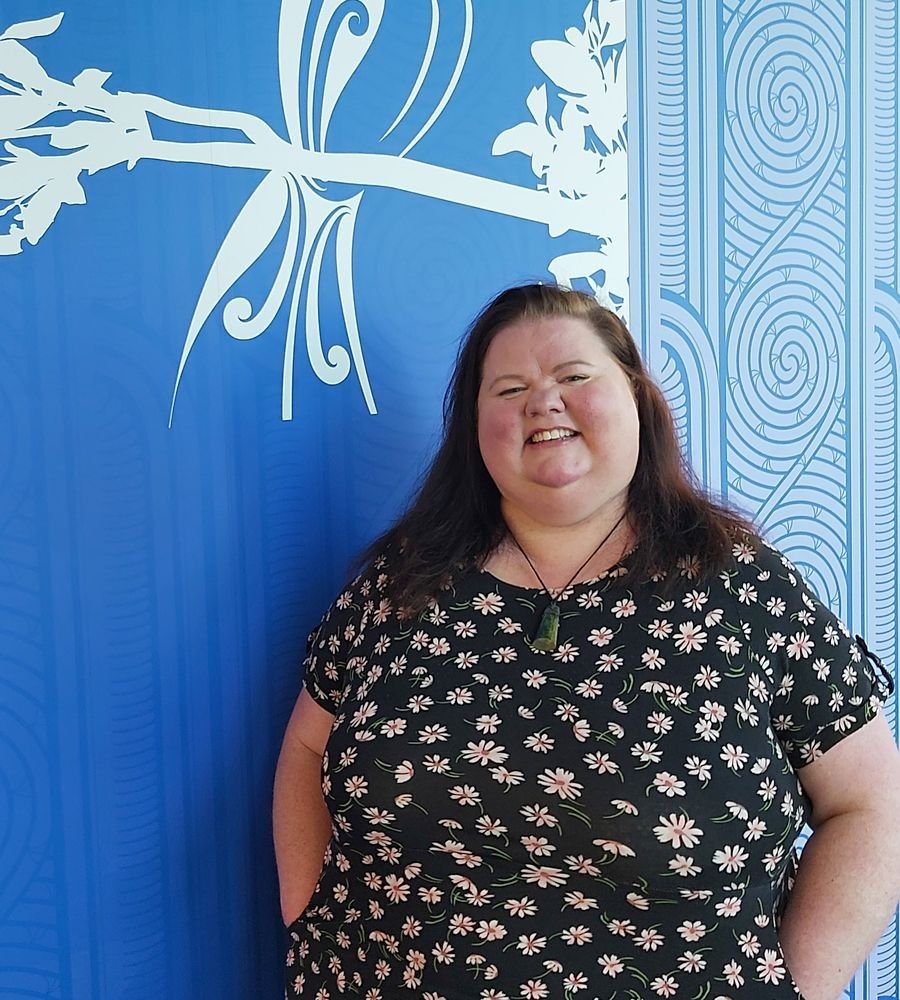
Hilary Dutton
Hilary Dutton (Ngāti Tūwharetoa, Te Arawa) is a lecturer at Auckland University in the Faculty of Arts & Education, specialising in youth development. Her mahi draws on developmental, social, and community psychology to understand young people in the context of close relationships within educational and structured youth development settings, such as youth mentoring and youth work. Her research explores processes that enhance the quality and effectiveness of youth-adult relationships during adolescence. She has also conducted research on secondary school-based mental health support and the experiences of Māori and Pasifika students in tertiary education.
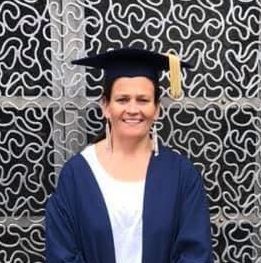
Chantelle Foketi
Born and raised in Manurewa, Chantelle Foketi established Te Ara Poutama Alternative Education Centre in 2001 in Manurewa. This expanded to offer programmes from sites across South Auckland. At one point, Te Ara Poutama was one of the biggest providers of alternative education in New Zealand, with over 100 students. Chantelle is passionate about making education inclusive for all students and is an advocate for resourcing alternatives outside of mainstream schools.
Chantelle currently manages programmes in Manurewa and Pukekohe. She has enjoyed helping rangatahi achieve in education for 25 years. Outside of her work, Chantelle is a huge rugby league fan and enjoys spending time with her 4 adult children and two grandchildren.
Relevant publications:
• Foketi, C. (2019). What are the elements of alternative education which encourage and allow support of at-risk youth to gain NCEA level one and pursue higher education. (Executive Summary of a thesis submitted in conformity with the requirements for the degree of Master of Professional Practice, Otago Polytechnic.)
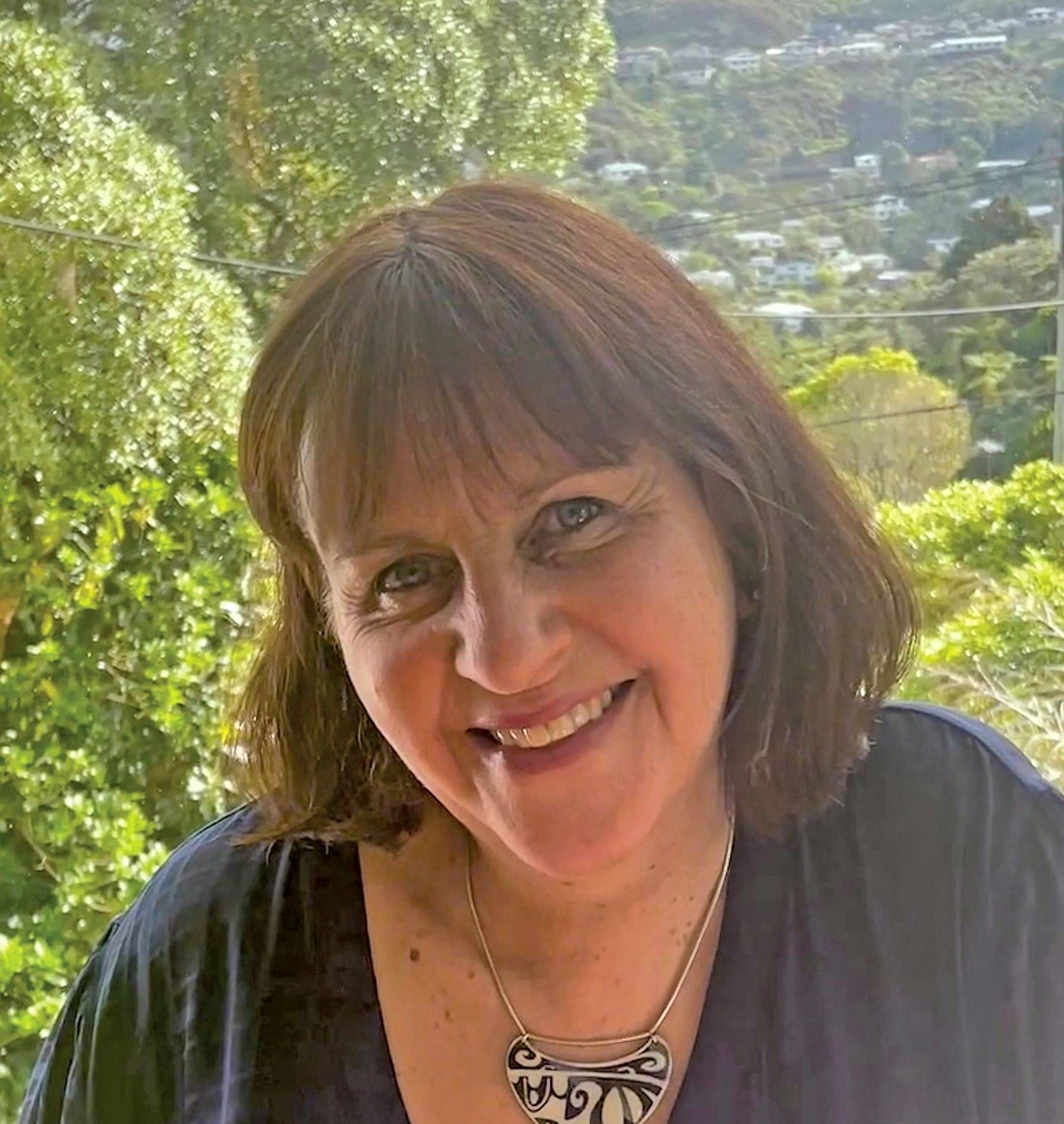
Lynda Knight-de Blois
Lynda Knight is the principal of Glenview School in Cannons Creek, Porirua and a respected leader in trauma-informed education in New Zealand and internationally. She trained with Dr Bruce Perry in the Neurosequential Model in Education (NME), gaining her initial certification in 2020 and completing her Advanced Trainer Certificate in 2022, and now mentors NME trainees across Aotearoa. She was awarded a Churchill Fellowship in 2023.
Under her leadership, Glenview School has transformed its culture and practice through trauma-aware and neuroscience-informed approaches, significantly improving student wellbeing, engagement and behaviour. Lynda also shares her work more widely through professional development, keynote presentations and international research on best practice in trauma-informed education.
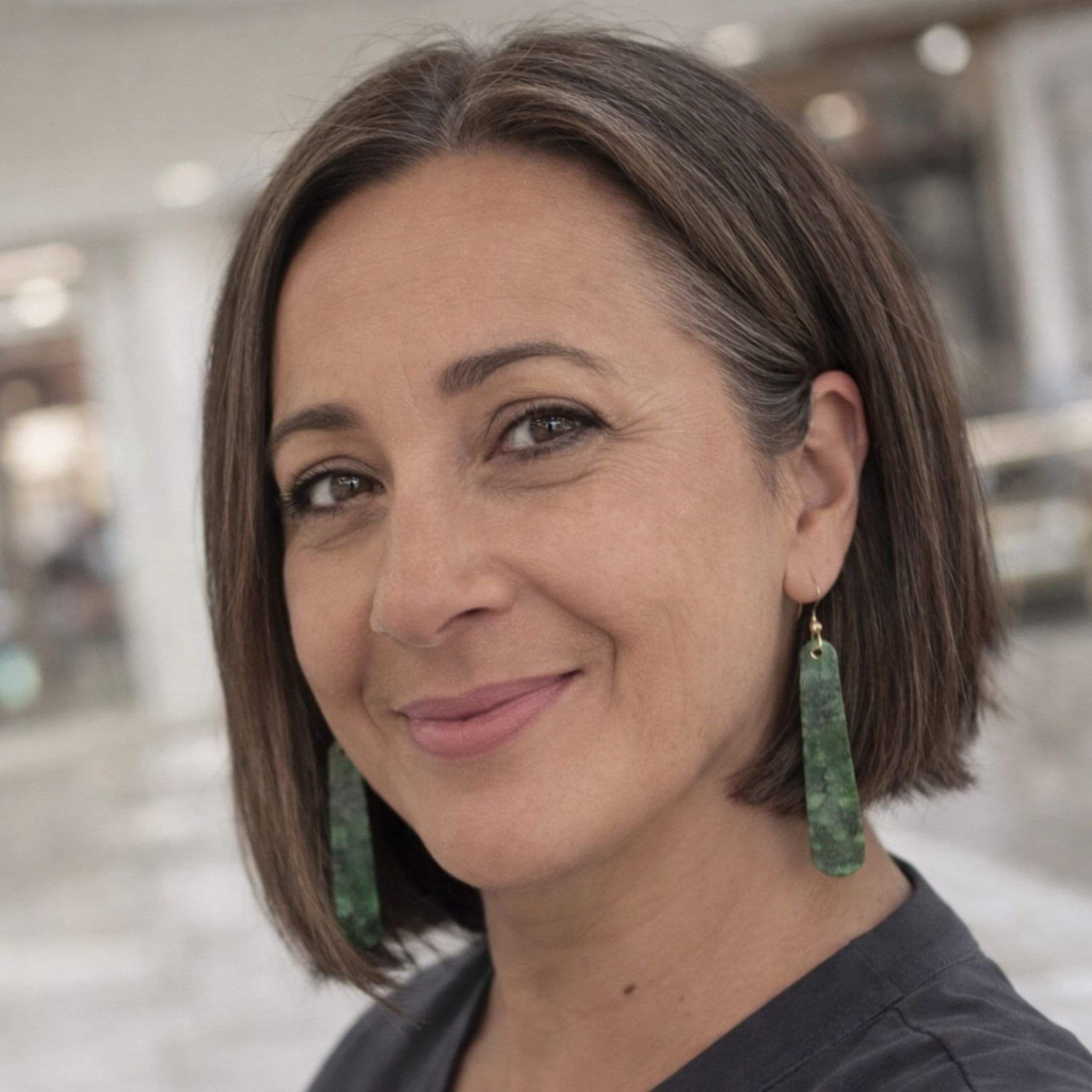
Rachel Maitland Mata’afa (Ngāi Tahu)
Rachel Maitland Mata'afa is a Senior Lecturer and PhD candidate at Te Whare Wānanga o Waitaha | the University of Canterbury. For over 20 years, she has worked as an educator with highly marginalised young people, including in Alternative Education and in secure Youth Justice residences.
Rachel’s research explores how teacher practice can either reproduce or disrupt inequitable outcomes for learners who are most underserved by the education system. Her work centres on culturally responsive, trauma-informed and restorative approaches to re-engagement, behaviour support, and education at the intersections of schooling, youth justice and care, and is guided by kaupapa Māori principles using qualitative and mixed methods approaches.
Selected publications:
• Maitland, R., Smith, J., Gillon, G., & Hyter, Y. (2025). Culturally responsive practices for supporting youth in the youth justice system. Topics in Language Disorders. https://doi.org/10.1097/TLD.0000000000000364
• Clarke, T. H., Smith, J., Ratima, M., Macfarlane, A., Macfarlane, S., Maitland, R., et al. (2021). The Hikairo Schema for Secondary: Culturally responsive teaching and learning. Wellington, NZ: New Zealand Council for Educational Research.
• Gillon, G., Smith, J. P., Maitland, R., Macfarlane, S., & Macfarlane, A. (2024). The Better Start Literacy Approach: Using He Awa Whiria to inform design. In A. Macfarlane, M. Derby, & S. Macfarlane (Eds.), He Awa Whiria: Braiding the knowledge streams in research, policy and practice (pp. 145–168). Christchurch, NZ: Canterbury University Press.
• Maitland, R., & Leahy, J. (2022). Kotahitanga: Unity. In M. Ratima et al. (Eds.), Ngā hau e whā o Tāwhirimātea: Culturally responsive teaching and learning for the tertiary sector (pp. 34–39). Christchurch, NZ: Canterbury University Press.
• Maitland, R. (2020). Exemplary teachers of Aotearoa New Zealand’s most disengaged secondary school students: An ideology of hope (MEd thesis). University of Canterbury.
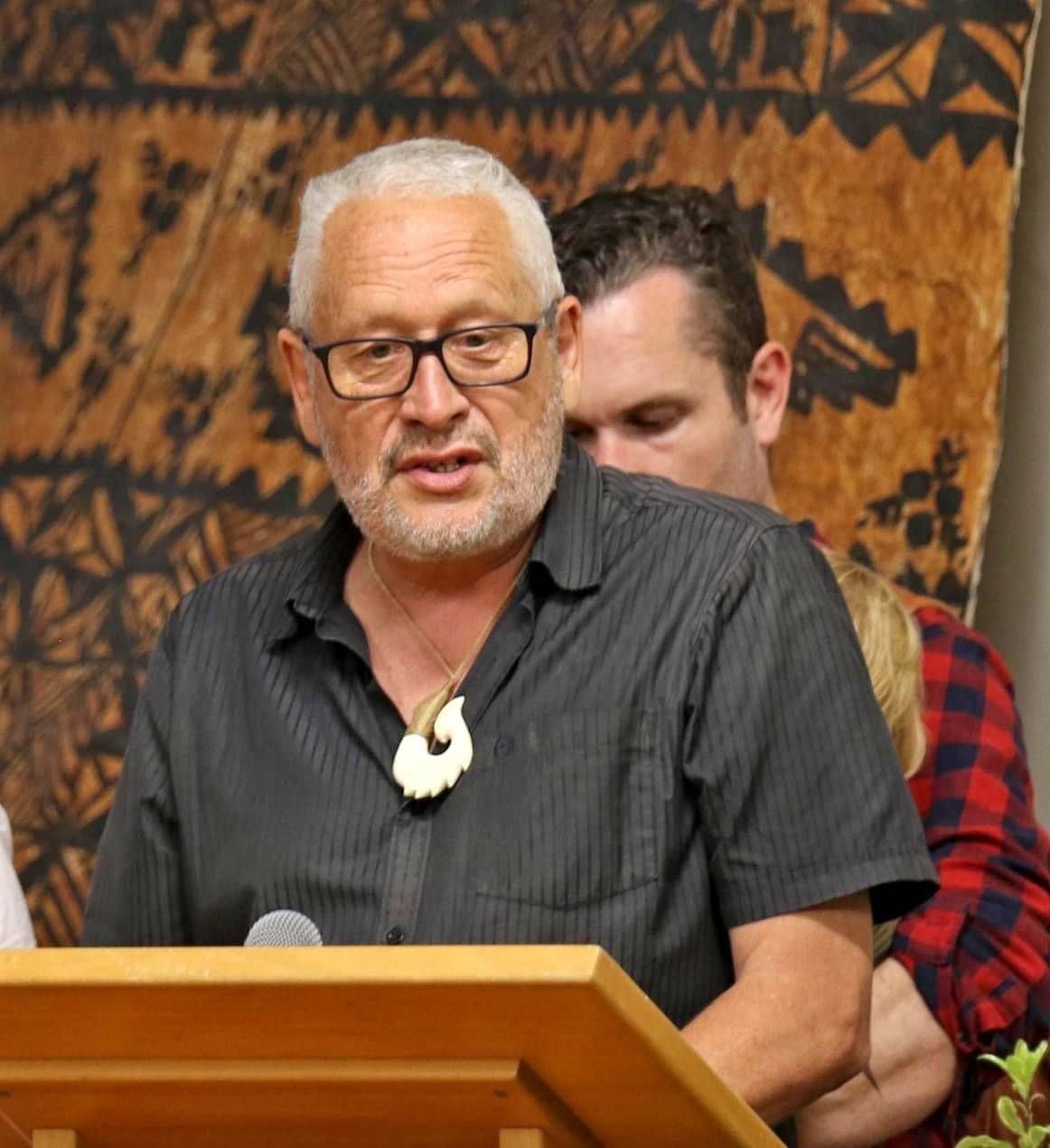
Dr. Lloyd Martin
Over 40 years ago Dr. Lloyd Martin started one of the early alternative education programmes in this country. He has remained involved in the sector as a youth worker, educator and researcher through work in Aotearoa, Australia and across the Pacific Islands.
In 2024 Lloyd completed a (much delayed) doctorate through Victoria University. His interest is in young peoples’ experiences of personal change through alternative education. Lloyd’s whakapapa goes back to the Shetland Islands.
Publications:
• The Invisible Table (2002) Dunmore Press
• Small Stories (2010) Circle of Courage Publications
• Don’t give up on us, young peoples’ experiences of change in alternative education (Ed.D. thesis) (2024). Victoria University of Wellington.
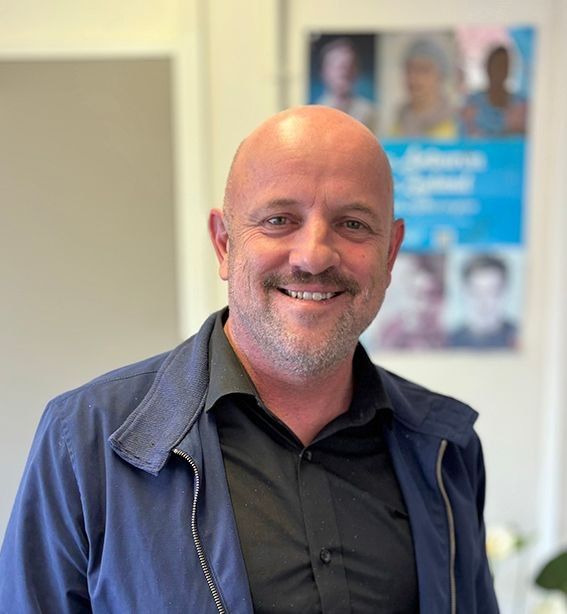
Dr. Adrian Schoone
Associate Professor Dr. Adrian Schoone is a research specialist in Alternative Education. His scholarship focuses on educational opportunity and access for disenfranchised students. Committed to developing a broad education workforce, he developed Australasia’s first academic qualification in Social Pedagogy.
Prior to academic roles, Adrian had a 14 year professional career as a teacher and principal in AE and youth justice settings. He is currently Head of School for the School of Education Te Kura Mātauranga, AUT.
WHITE PAPER
Re-engaging young people in learning: “Just don’t give up on us”
YDENA released the White Paper at the Legislative Council Chamber, Parliament, March 26, 2026.
The Paper highlights what is currently working to keep rangatahi engaged in education and learning, with recommendations for policy-makers and education leaders.
To learn more about our kaupapa, download our White Paper.